


Heavy Refurbishment Projects
In this case study, we explore how specialist refurbishment finance can support a substantial transformation of a large and dated residential property valued at £500,000.
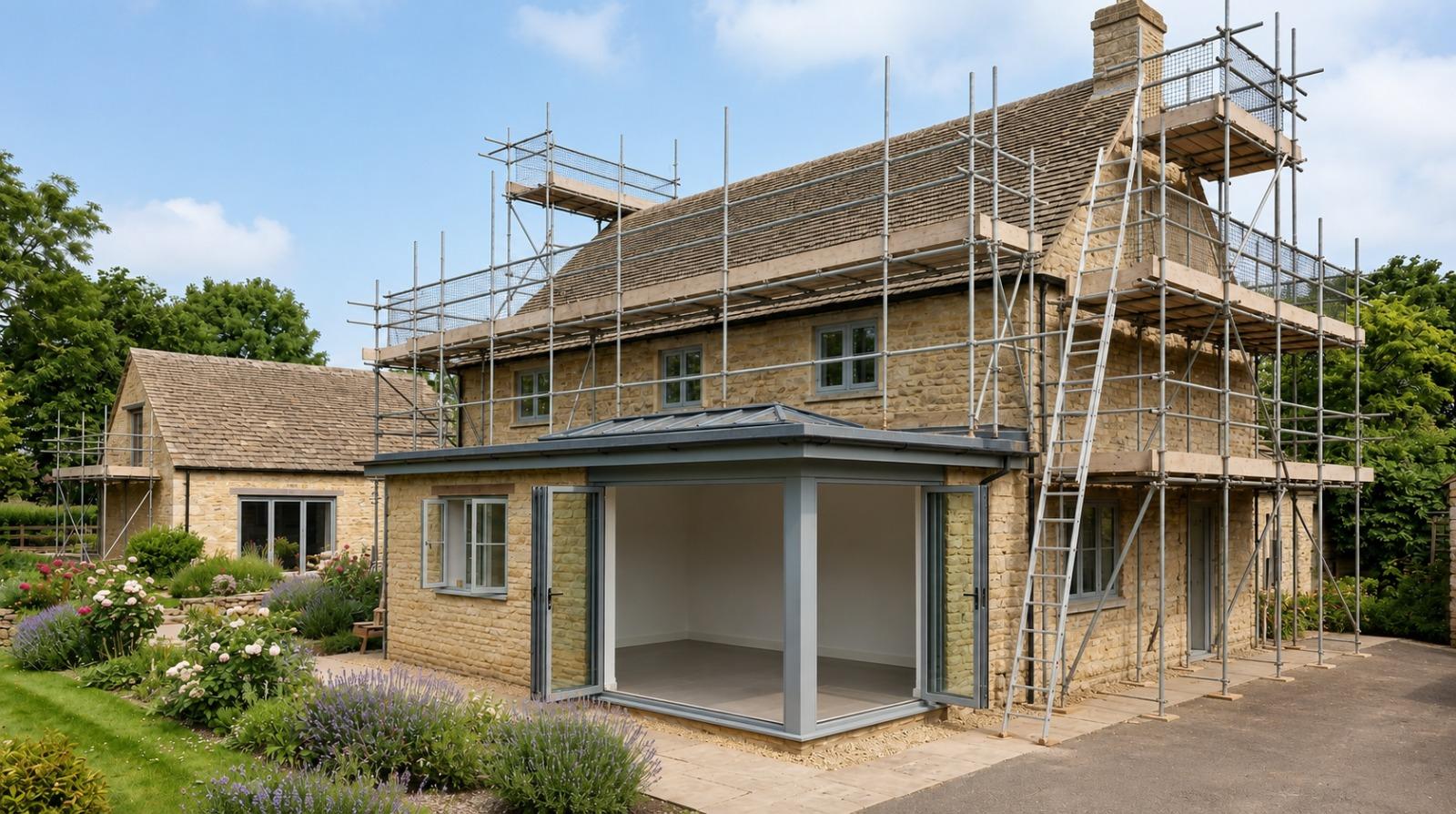
The property required extensive refurbishment and structural alterations before it could be converted into a high-quality house in multiple occupation. The proposed works included a rear extension, loft conversion, internal reconfiguration, new bathrooms, a replacement kitchen, and a complete upgrade of the electrical and heating systems. The total refurbishment budget was estimated at £250,000, with the completed property expected to be worth approximately £1 million. Although the investor had a strong business plan and relevant experience, the proposed works were too extensive for a standard bridging facility; Heavy refurbishment finance was therefore the appropriate solution.

The finance arranged Most importantly, a loan had to be structured so that the client received 75% of the purchase price as a net day-one advance. This meant the agreed amount was available towards completion after the lender’s retained interest and arrangement costs had been deducted, significantly reducing the client’s initial cash contribution.
100% of the agreed refurbishment costs, released in stages
Interest rolled into the facility, with no monthly interest payments during the project
A loan term designed to allow sufficient time to complete the works and refinance
A drawdown structure aligned with the project programme and cash-flow requirements
By focusing on the net amount the client would actually receive, rather than simply the headline loan-to-value percentage, it enables them to preserve capital for professional fees, contingencies and future investment opportunities. Once the work was completed, the property was intended to be refinanced onto a longer-term investment mortgage, allowing the heavy refurbishment loan to be repaid.
What is heavy refurbishment finance? Heavy refurbishment finance is a form of specialist short-term property funding, commonly structured as a bridging loan. It is designed for investors and developers undertaking substantial renovation, conversion or redevelopment work before selling or refinancing the completed property. Unlike light refurbishment finance, which may be suitable for cosmetic improvements, heavy refurbishment finance can accommodate projects involving structural alterations, changes of use and significant construction costs. It may be used for both residential and commercial property projects.
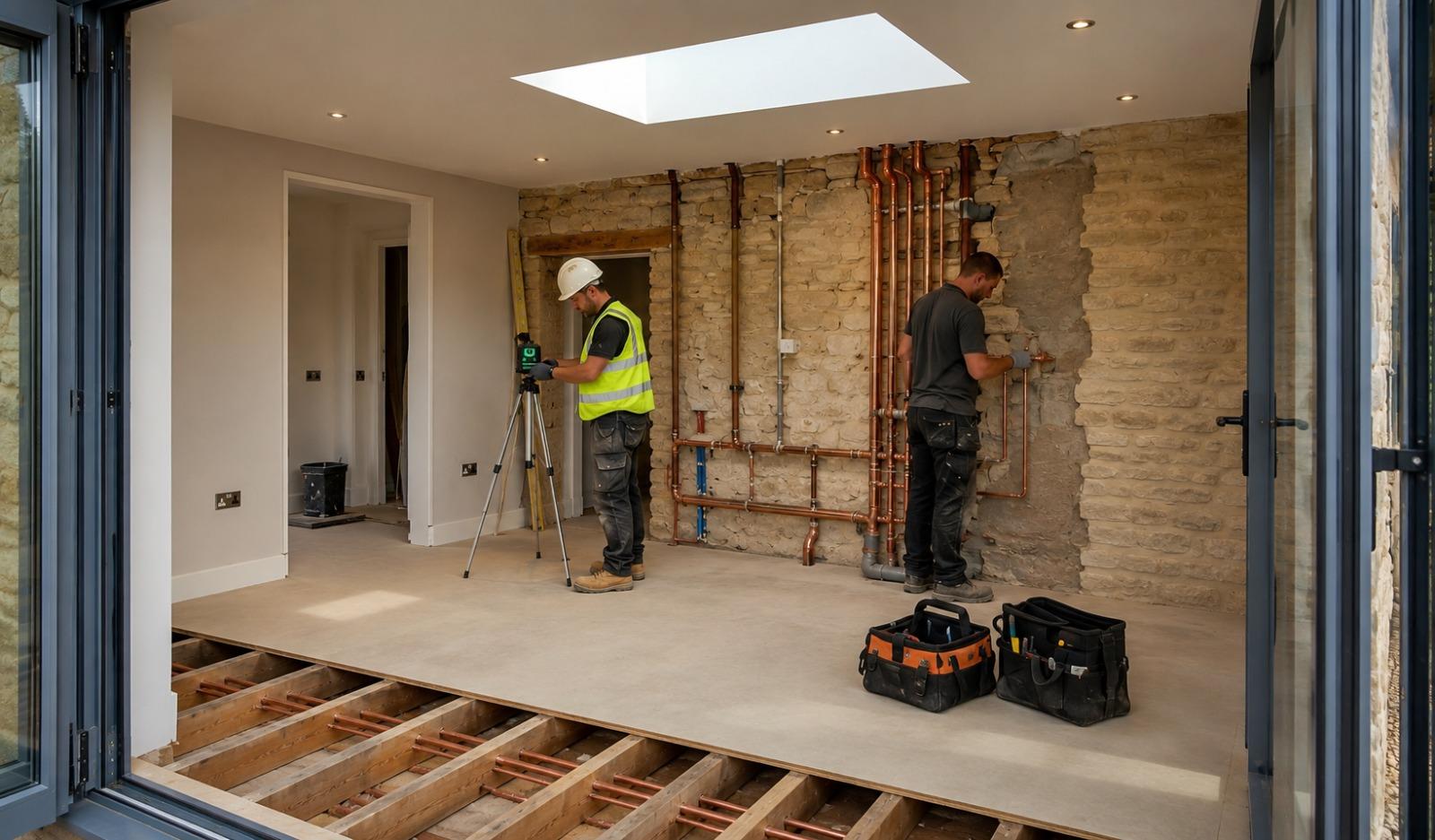
What is considered a heavy refurbishment? A project may be classed as a heavy refurbishment where the work involves structural changes, planning permission, building regulations approval or a substantial construction budget.
Loft conversions
Replacement roofs
Structural alterations
Rear and side extensions
Basement conversions or extensions
Properties requiring extensive rebuilding or modernisation
Commercial-to-residential conversions
Residential-to-HMO conversions
Conversion of a house into flats
Major internal reconfiguration
The exact definition varies between lenders. Some assess the project according to the cost of the works, while others focus on the nature and complexity of the construction involved.
Which lenders offer heavy refurbishment finance? Heavy refurbishment finance is generally provided by specialist banks, bridging lenders, building societies, private funds and family offices; Many of these lenders do not market directly to property investors. Instead, they work through experienced finance brokers who understand their lending criteria and can present a project correctly. Each lender will have a different appetite regarding property location, borrower experience, loan size, type of construction, planning status, refurbishment costs, exit strategy and gross development value.
How much can you borrow? The amount available will depend on the purchase price, current property value, cost of works, completed value and the borrower’s experience. Depending on the lender and overall proposal, funding may be available towards the purchase price or current value, together with up to 100% of the refurbishment costs. Some lenders assess their maximum facility against the completed value of the property, commonly referred to as the gross development value, or GDV. In certain circumstances, higher levels of funding may be considered where the borrower can provide additional property as security. The structure of the facility is just as important as the headline loan-to-value. A quoted percentage may be reduced by retained interest, arrangement fees and other costs, so borrowers should always establish the net day-one advance they will actually receive.
How are refurbishment funds released? The initial advance is normally used to help complete the property purchase or refinance an existing loan. The refurbishment element is then usually released in stages, known as drawdowns. Before each drawdown, the lender may appoint a monitoring surveyor to inspect the works and confirm that the relevant stage has been completed. Depending on the lender, refurbishment funds may be released either in advance or in arrears. If funds are released in arrears, the borrower may need sufficient working capital to pay contractors before being reimbursed.
What does heavy refurbishment finance cost? The cost varies according to the strength and complexity of the proposal. Lenders will consider the loan amount, property location, borrower experience, extent of the works, loan-to-value, loan-to-GDV, exit strategy, facility term and credit profile. Potential costs may include monthly interest, a lender arrangement fee, valuation fees, legal fees, monitoring surveyor fees, broker fees, administration or drawdown charges and, in some cases, an exit fee. The lowest interest rate does not always represent the lowest overall cost. A lender with a slightly higher rate may offer a larger initial advance, better refurbishment drawdowns or no exit fee; The full cost and structure should therefore be considered together.
Do you have to make monthly payments? In many cases, the interest can be retained or rolled up. This means the borrower does not make monthly interest payments during the loan term. Instead, the interest is added to the outstanding balance and repaid when the property is sold or refinanced. This can help preserve cash flow while the property is being refurbished and may not yet be producing rental income. However, rolled-up interest reduces the net amount available within the lender’s maximum facility, so it must be factored into the funding calculation.
What exit strategy will the lender accept? A clear and realistic exit strategy is essential. Common exits include selling the completed property, refinancing onto a buy-to-let or HMO mortgage, refinancing onto a commercial investment mortgage, selling another asset, or repaying the facility from another confirmed source. Where the intended exit is a refinance, the projected rental income and completed value must support the proposed long-term mortgage. Where the exit is a sale, the lender will consider the anticipated sale price, local demand and whether sufficient time has been allowed to market and complete the sale.
How long does it take to arrange? Straightforward heavy refurbishment loans can sometimes complete quickly where the valuation, legal work and supporting documents are readily available. However, a typical transaction may take approximately two to four weeks. More complex projects may take longer, particularly where the transaction involves planning conditions, a change of use, multiple properties, company or trust structures, additional security, complex title issues or detailed construction monitoring.
What information will a lender require? To assess a heavy refurbishment proposal, a lender may request property details, the purchase price or current value, a schedule of works, a detailed refurbishment budget, planning and building regulation information, architect’s drawings, the anticipated completed value, evidence of the proposed exit, borrower experience, proof of funds, contractor details and a project timeline. A professionally presented application can make a substantial difference to how quickly a lender reaches a decision.
Why use a broker such as Golden Trust Capital? Heavy refurbishment finance is not simply about finding the lender offering the lowest advertised rate. The lender must also be capable of delivering the required initial advance, funding the works at the right stages and allowing enough time for the borrower to complete the project and implement the exit strategy. Brokers are set up to assess the complete transaction, including the purchase, works, cash-flow requirements, completed value and proposed exit. This allows us to approach suitable lenders with a properly structured proposal and reduce the risk of delays or unexpected funding shortfalls; They can assist with:
Heavy refurbishment projects
Property conversions
HMO developments
Houses converted into flats
Commercial-to-residential schemes
Extensions and loft conversions
Auction purchases
Development exits
Bridging and development finance
To explore funding your your ‘Heavy Refurbishment Project’ reach out to SHEDyt’s associate Golden Trust Capital or connect with Christopher May, the founder on Linkedin.
Chris can review your proposed purchase, works, funding requirement and exit strategy, and identify suitable specialist lending options.
Disclaimer: This article is for general information only and does not constitute advice or a commitment to lend. The case study is fictional. Loan availability, leverage, rates, fees and terms depend on the individual transaction and may change. All finance is subject to status, valuation, lender approval and satisfactory legal due diligence. Property used as security may be repossessed if the loan is not repaid. |
[B104]
Make Your Business Online By The Best No—Code & No—Plugin Solution In The Market.
30 Day Money-Back Guarantee
Say goodbye to your low online sales rate!